Siding Linear Feet Calculator — Sq Ft to Linear Feet
Convert square footage into linear feet of siding and board feet of lumber in one step — pick your exposure, pick your board length, and get the exact piece count before you call the lumber yard.
Sq Ft → Linear Feet Converter
Net wall area after windows and doors.
Visible width of each course after overlap.
Used for the piece count only.
Linear feet
4,000
2,000 sq ft × 12 ÷ 6″
Pieces needed
334
12 ft boards, rounded up
Board feet
2,668
Assumes 1×8 boards at 6″ exposure (0.667 bf per lf)
Board size is inferred from exposure — the smallest common nominal board that can deliver that exposure once lapped. Add 10% waste to the linear-foot figure before ordering cedar or fiber cement.
Square Feet to Linear Feet: The Only Formula You Need
Ask any estimator how do you calculate linear feet for siding and you will get the same three-step answer, whether the wall is vinyl, fiber cement, or cedar. First you measure the wall in square feet — height times width, minus windows and doors. Then you multiply that area by 12 to convert it into inches of wall height. Finally you divide by the exposure, because exposure is the number of inches of wall height that each linear foot of board actually covers. To calculate linear feet for siding on any wall, that is the whole job:
The square feet to linear feet formula
Linear Feet = Sq Ft × 12 ÷ Exposure (inches)The × 12 converts square feet into “square-foot-inches” of wall height; dividing by the exposure collapses that height into rows of siding.
Why it works: at a 6-inch exposure, one linear foot of board covers 6 inches of wall height across 12 inches of width — 72 square inches, or exactly 0.5 square feet of wall. Flip that around and one square foot of wall equals 2 linear feet of siding. The same logic holds at every exposure: a 4-inch exposure covers 0.333 sq ft per linear foot (3 lf per sq ft), and an 8-inch exposure covers 0.667 sq ft per linear foot (1.5 lf per sq ft). Exposure and linear feet are inversely related — the wider the board shows, the fewer linear feet you need. This is also why “siding calculator square feet to linear feet” tools always ask for exposure first and board length second: exposure sets the linear footage, board length only sets how you cut it.
2,000 sq ft at 6″
4,000 lf
2,000 × 12 ÷ 6. The default case — half a linear foot per square foot of wall.
2,000 sq ft at 8″
3,000 lf
2,000 × 12 ÷ 8. Wider exposure, 25% fewer linear feet than the 6-inch job.
2,000 sq ft at 4″
6,000 lf
2,000 × 12 ÷ 4. Tight exposures double the board count versus 8 inches.
The most common mistake in this conversion is feeding the formula the nominal width of the board instead of the exposure. A 1×6 is 5.5 inches wide at the yard, but lapped at a 5-inch exposure only 5 inches shows on the wall. Plugging 5.5 into the formula understates your linear footage by roughly 10% — enough to leave the crew a course and a half short on the gable end.
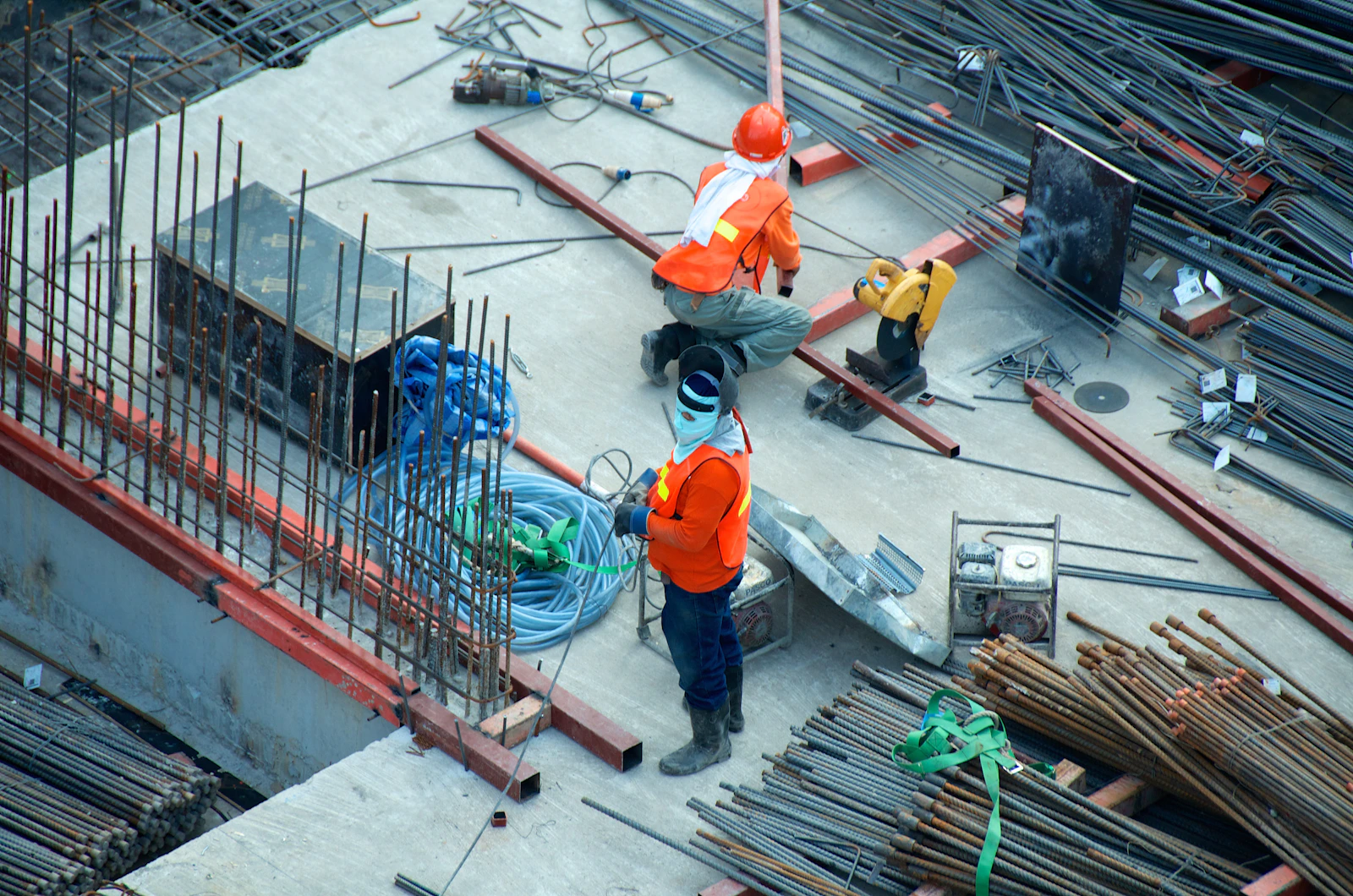 Every inch of exposed face is what the exposure measurement counts.Photo: Unsplash
Exposure is a design decision, not a measurement
The same wall can legitimately be quoted at 4,000 or 6,000 linear feet depending on the look the owner wants. Before you lock an exposure, check three things:
- The manufacturer's maximum exposure for the profile you are buying.
- Window sill and head heights, so courses land cleanly without slivers.
- The waste rate — tighter exposures mean more cuts and more offcuts.
Linear Feet per 100 Sq Ft, Every Exposure From 3 to 12 Inches
Nine scenario cards, one per common exposure. Each shows the linear feet of siding that 100 sq ft of wall consumes, the same figure scaled to a 2,000 sq ft house, the number of 16-ft boards a square requires, and a bar that compares each exposure against the 3-inch extreme (400 lf = full width). The two most-used exposures in American siding are flagged.
3″ exposure
The tight, shadow-rich spacing of colonial restorations and historic-district repaints. Every course is a thin ribbon of board, so the linear-foot count — and the labor — climbs fast.
- Linear ft per 100 sq ft
- 400
- Linear ft for 2,000 sq ft
- 8,000
- 16-ft boards per 100 sq ft
- 25
100% of the 3-inch extreme (400 lf per 100 sq ft)
4″ exposure
A classic cottage exposure and the sweet spot for Dutch lap vinyl and narrow cedar shakes. Three linear feet of board for every square foot of wall.
- Linear ft per 100 sq ft
- 300
- Linear ft for 2,000 sq ft
- 6,000
- 16-ft boards per 100 sq ft
- 19
75% of the 3-inch extreme (300 lf per 100 sq ft)
5″ exposure
Standard 1×6 territory. This is the most common wood lap exposure after the 6-inch default, and it takes 15 sixteen-foot boards to cover each square.
- Linear ft per 100 sq ft
- 240
- Linear ft for 2,000 sq ft
- 4,800
- 16-ft boards per 100 sq ft
- 15
60% of the 3-inch extreme (240 lf per 100 sq ft)
6″ exposure
Most CommonThe industry default. Half of every square foot of wall converts into one linear foot of board, which is exactly why suppliers quote 6-inch coverage first.
- Linear ft per 100 sq ft
- 200
- Linear ft for 2,000 sq ft
- 4,000
- 16-ft boards per 100 sq ft
- 13
50% of the 3-inch extreme (200 lf per 100 sq ft)
7″ exposure
Most CommonHardiePlank's signature 7.25″ exposure rounds to 7 inches here — fewer courses, faster installs, and the number most fiber-cement crews have memorized.
- Linear ft per 100 sq ft
- 171.4
- Linear ft for 2,000 sq ft
- 3,429
- 16-ft boards per 100 sq ft
- 11
42.9% of the 3-inch extreme (171.4 lf per 100 sq ft)
8″ exposure
The wide-board ranch look. A 1×10 board lapped at 8 inches turns a 2,000 sq ft wall into just 3,000 linear feet — ten sixteen-foot boards per square.
- Linear ft per 100 sq ft
- 150
- Linear ft for 2,000 sq ft
- 3,000
- 16-ft boards per 100 sq ft
- 10
37.5% of the 3-inch extreme (150 lf per 100 sq ft)
9″ exposure
A transitional exposure between wide lap and board-and-batten layouts. It is rarely stocked, so confirm availability with your yard before you commit to it.
- Linear ft per 100 sq ft
- 133.3
- Linear ft for 2,000 sq ft
- 2,667
- 16-ft boards per 100 sq ft
- 9
33.3% of the 3-inch extreme (133.3 lf per 100 sq ft)
10″ exposure
Big boards, bold shadow lines, modern farmhouse curb appeal. Exposure this wide gives you the lowest piece counts in the table for horizontal siding.
- Linear ft per 100 sq ft
- 120
- Linear ft for 2,000 sq ft
- 2,400
- 16-ft boards per 100 sq ft
- 8
30% of the 3-inch extreme (120 lf per 100 sq ft)
12″ exposure
Panel and board-and-batten territory: the fewest courses per wall, the fewest pieces, and the lowest linear-foot total of any exposure on this page.
- Linear ft per 100 sq ft
- 100
- Linear ft for 2,000 sq ft
- 2,000
- 16-ft boards per 100 sq ft
- 7
25% of the 3-inch extreme (100 lf per 100 sq ft)
The boards-per-square column already rounds up because partial boards do not ship. For a mixed-exposure house — say 7-inch laps on the body and 5-inch shakes in the gables — convert each section separately and add the linear feet together; a single blended exposure will misstate both sections.
How Many Pieces of Siding per Square
A “square” is the siding industry's standard billing unit: 100 square feet of wall coverage. So how do you calculate pieces of siding per square? Convert the square into linear feet with the exposure formula, then divide by the board length you are actually buying, and always round up:
Pieces per square formula
Pieces = (100 × 12 ÷ Exposure) ÷ Board Length, rounded upRounding up matters: a 16.7-board answer means you buy 17, because the crew cannot splice the leftover 3 feet of the last board into the next course.
6″ exposure · 12 ft boards
17 boards per square
200 lf ÷ 12 ft = 16.7 → 17 pieces. Over a 2,000 sq ft house that is 334 twelve-foot boards.
8″ exposure · 16 ft boards
10 boards per square
150 lf ÷ 16 ft = 9.4 → 10 pieces. Longer boards mean fewer joints and less waste per course.
Wood and fiber cement are bought board by board, but vinyl siding ships in cartons measured by coverage. A standard D5 (double 5-inch) carton covers 200 sq ft — exactly 2 squares — regardless of how many individual panels are inside. So for vinyl, divide your square footage by the carton coverage on the label and skip the piece math entirely; the pieces-per-square formula above is for board products where you physically count lengths at the yard.
Board Feet: How Lumber Yards Price Wood Siding
Once your siding is wood — cedar lap, pine clapboard, spruce — the lumber yard stops talking in squares and starts talking in board feet. One board foot is a volume measure: 144 cubic inches, or a board 1 inch thick, 12 inches wide, and 12 inches long. Because siding is sold by the linear foot but priced by volume, the conversion between the two depends entirely on the nominal size of the board:
Nominal board feet per linear foot
- 1×6
- 0.5 bf / lf
- 1×8
- 0.667 bf / lf
- 1×10
- 0.833 bf / lf
- 1×12
- 1.0 bf / lf
What 1,000 linear feet becomes
- 1,000 lf of 1×6 = 500 board feet
- 1,000 lf of 1×8 = 667 board feet
- 1,000 lf of 1×10 = 833 board feet
- 1,000 lf of 1×12 = 1,000 board feet
When a yard quotes $4.80 per board foot for 1×8 cedar, 1,000 lf of siding costs roughly $3,335 — not $4,800, because the bf-per-lf factor is 0.667, not 1.0.
Nominal dimensions are the sawmill's labels, not the milled reality. An “actual” 1×6 measures 5.5″ wide × 0.75″ thick, which works out to 5.5 × 0.75 × 12 ÷ 144 = 0.344 bf per linear foot — so 1,000 lf measured on actual dimensions would be 344 board feet, not the 500 the yard will invoice. Yards quote nominal, always. The rule is simple: never mix the two bases in one estimate. Pick nominal for the money conversation, exposure for the coverage conversation, and keep them in separate columns.
Lap Siding Linear Feet in the Real World
The exposure cards above are generic, but real lap siding jobs cluster around three exposures. Anyone running a lap siding board foot calculator — or sanity-checking a supplier quote with a board feet siding calculator — works from these anchors: 4-inch lap consumes 300 linear feet per square, 6-inch lap consumes 200 linear feet per square, and 8-inch lap consumes 150 linear feet per square (per 100 sq ft of wall). Memorize those three and you can eyeball any quote in the driveway.
Worked job — 1,800 sq ft wall in 1×8 cedar lap at 8″
Cedar lap is priced per board foot, so the yard will invoice roughly 1,981 bf (1,801 × 1.1) once the waste allowance is added. Always confirm whether the quote is per board foot or per linear foot before comparing bids — the two differ by the 0.667 factor.
 Measure net wall area once, let exposure do the converting.Photo: Unsplash
Where real jobs drift from the math
- Field-cut ends on long walls push 16-ft board waste past the 10% floor.
- Staggered butt joints on visible elevations force longer boards than planned.
- Odd exposures (7½″, 9¼″) fall between card values — interpolate, don't round.
The worked job above assumes a clean rectangle. Dormers, bay windows, and angled returns each add offcuts that the raw formula cannot see.
Where Linear Feet Still Rules: Trim and Starter
Even on jobs where the field siding is bought by the square or the carton, the accessory package is still sold the old way — by the linear foot. J-channel that trims every window and door, corner posts that run full height at each outside corner, and starter strip along the bottom edge are all ordered as linear feet off a takeoff, not as squares. A typical 2,000 sq ft house carries 500–800 lf of J-channel, 100–150 lf of corner post, and 150–200 lf of starter, which is why trim often lands near $1 per square foot of wall on the final invoice despite looking like a rounding error on paper.
You do not have to walk the wall with a tape to get these numbers: the main siding calculator has a dedicated trim section that counts J-channel, corners, and starter automatically from your openings and corners. This page stays focused on field siding conversion — trim detail belongs to the full tool.
Trim generates offcuts faster than field siding — every window miter eats 2–4 feet of J-channel, and corner posts cannot be spliced. Add 10% to your trim linear footage and you will close out the job without a mid-install supply run; add nothing and the last corner post always arrives one short.
From Square Feet to Linear Feet — and Back Again
This page is the dedicated linear feet calculator siding buyers reach for when a lumber yard quotes boards and the wall plans quote squares — a true siding calculator square feet to linear feet converter with piece counts and board feet built in. But it is one stop in a bigger toolkit. When you need full job costing rather than a unit conversion, open the siding calculator for materials, waste, and price by profile; browse the all siding calculators index for gable, garage, and cost versions; or use the coverage calculator by profile to work the opposite direction — from a board you like back to the square feet it will actually cover.
Frequently Asked Linear Feet Questions
How do you calculate linear feet for siding?▼
Multiply the wall's square footage by 12 and divide by the exposure in inches: Linear feet = Sq Ft × 12 ÷ Exposure. A 2,000 sq ft wall at 6-inch exposure needs 2,000 × 12 ÷ 6 = 4,000 linear feet of siding. At 8-inch exposure the same wall needs 3,000 linear feet, and at 4-inch exposure it needs 6,000 linear feet.
How many linear feet are in a square of siding?▼
A square is 100 sq ft of wall coverage, so linear feet per square = 100 × 12 ÷ exposure. At 6-inch exposure that is 200 linear feet per square, at 8-inch exposure it is 150 linear feet, and at 4-inch exposure it is 300 linear feet.
How do you calculate pieces of siding per square?▼
Divide the linear feet in a square by the board length, then round up: Pieces = (100 × 12 ÷ exposure) ÷ board length. At 6-inch exposure with 12 ft boards: 200 ÷ 12 = 16.7, so 17 boards per square. At 8-inch exposure with 16 ft boards: 150 ÷ 16 = 9.4, so 10 boards per square.
How do I calculate board feet for siding?▼
Multiply linear feet by the board feet per linear foot of the nominal board size: 1×6 = 0.5 bf per lf, 1×8 = 0.667, 1×10 = 0.833, and 1×12 = 1.0. So 1,000 linear feet of 1×6 siding equals 500 board feet, and 1,000 linear feet of 1×8 equals 667 board feet. Lumber yards quote nominal dimensions, never actual.
How many linear feet is 2,000 square feet of siding at 6-inch exposure?▼
2,000 sq ft × 12 ÷ 6 = 4,000 linear feet. In 16 ft boards that is 250 pieces; in 12 ft boards it is 334 pieces. For a real material order, add roughly 10% waste — about 4,400 linear feet.
Should I use nominal width or exposure for the conversion?▼
Always use exposure — the visible width after overlap. A nominal 1×6 is actually 5.5 inches wide, but lapped at a 5-inch exposure only 5 inches shows per course. Using 5.5 instead of 5 understates your linear footage by about 10% and will leave you short on material.
Related Siding Calculators
Hardie & Fiber Cement
Coverage, cost, and board count for James Hardie 7.25″/8.25″...
Vinyl Siding
Vinyl Double 4, 4.5, 5 coverage tables, shake siding, board-...
Wood Siding
Cedar lap, clapboard, shake, and shingle coverage, board foo...
Metal Siding
Corrugated, ribbed, standing seam, steel lap, and aluminum s...
Board & Batten
Board width and batten spacing tables, center exposure formu...
Garage & Shed Siding
Garage and shed siding takeoff: 5 standard size presets, gar...
Siding Cost
Siding cost calculator for 6 materials: vinyl, fiber cement,...
Takeoff & Waste
8-step siding takeoff with waste factors by material, nail c...
Coverage & Exposure
Coverage for all 10 siding profiles: D3–D6 vinyl, lap 4–8 in...
Repair or Replace
Siding repair cost calculator: patch prices for vinyl, cedar...